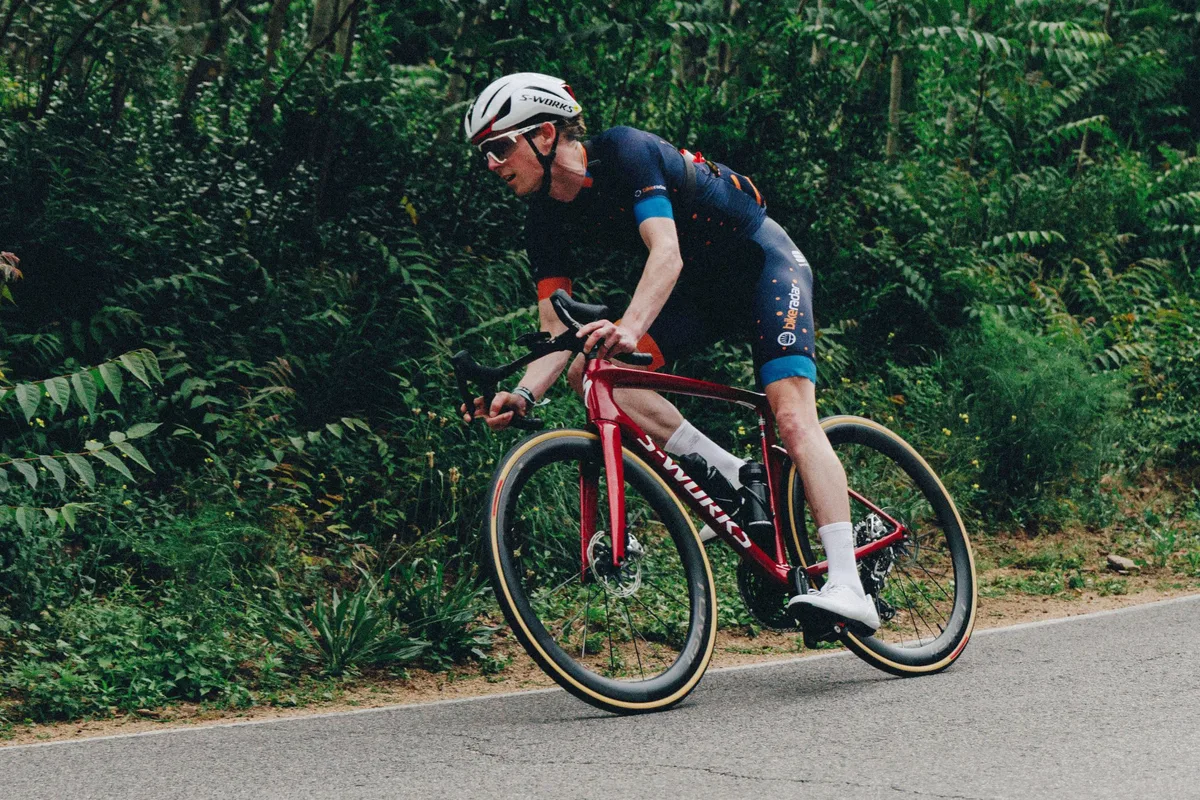
After weeks of leaks and rumours, the new Specialized Tarmac SL9 has finally been officially launched.
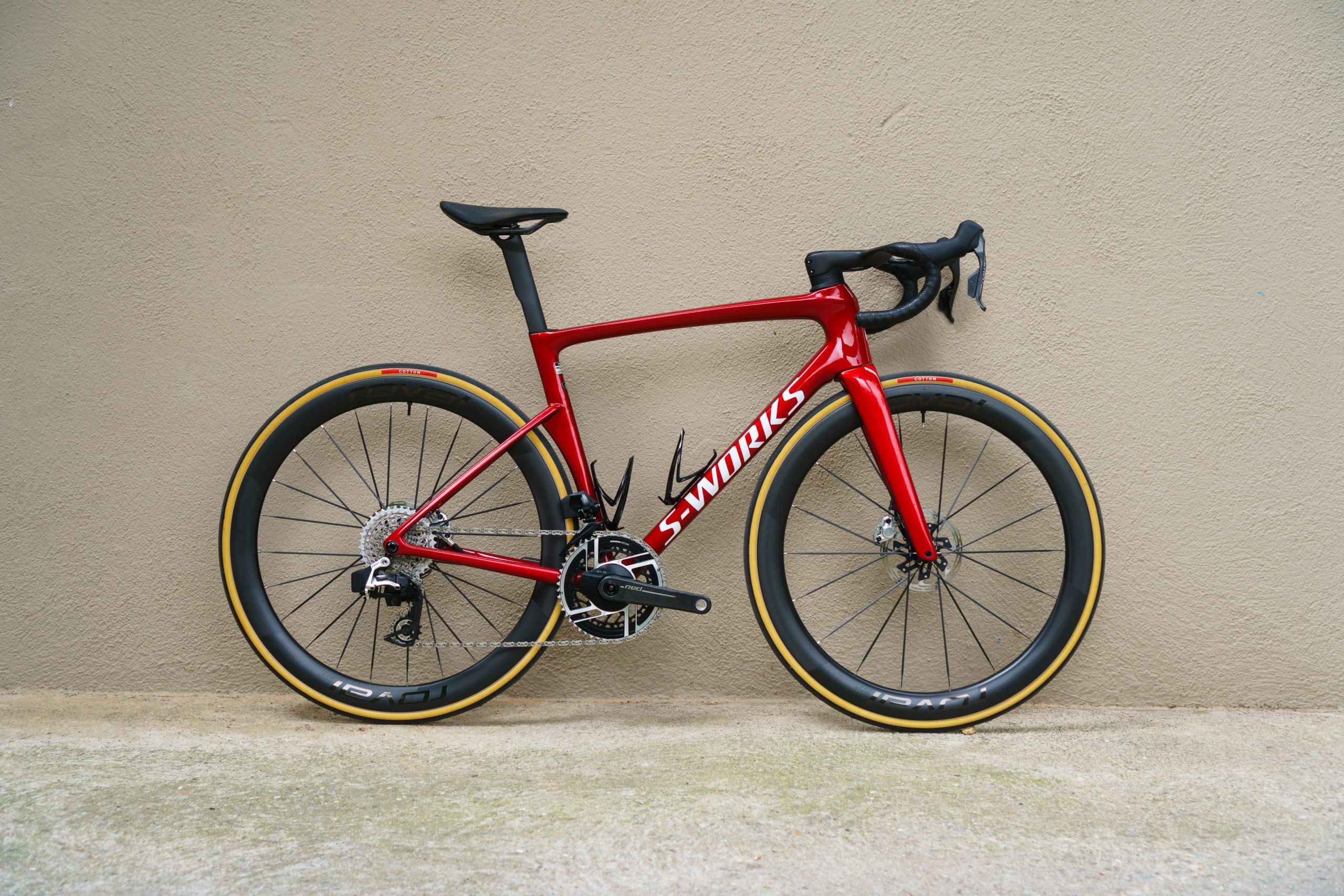
Claimed to be “the fastest road bike ever made”, it’s said to be a grand total of 4 watts more aerodynamic than its predecessor – the S-Works Tarmac SL8 – and as light as 6.5kg without pedals in this flagship build spec.
Given the Tarmac SL9 was one of the most anticipated new road bikes of the year, my initial test rides in Northern Spain left me feeling impressed in part, but also somewhat underwhelmed.
Although it undoubtedly deserves a place amongst the best all-rounder road bikes available, the improvements over the SL8 were essentially intangible while riding.
It still grates too that, despite the £11,999 / $14,000 / €13,999 price tag, Specialized doesn’t guarantee riders will be able to customise the build spec at the point of purchase.
Specialized S-Works Tarmac SL9 need to know
- Specialized’s ninth-generation all-rounder road race bike
- Claimed to be “the fastest road bike ever made”, according to Specialized’s race simulation models
- 4-watt claimed improvement to aerodynamic efficiency at 45kph compared to the SL8
- Frameset and seatpost feature overhauled tube shapes, but other components are carry-overs from the Tarmac SL8
- A size-56 S-Works Tarmac SL9 frame is claimed to weigh 687g, with stock builds weighing as little as 6.5kg
- Tyre clearance is the same as before, at 32mm front and rear
- £11,999 / $14,000 / €13,999
Specialized S-Works Tarmac SL9 performance
As with Specialized’s recently launched Crux 5 gravel bike, I tested the Tarmac SL9 on a press camp in Northern Spain.
We had a big group of fairly fit riders, including former WorldTour pro, Daniel Oss, and we covered about 75km in just under three hours.
The heavens opened as soon as we set off, and I was initially quite nervous on the slick and twisty coastal roads.
Once the weather dried up, though, I was able to settle into the rhythm, and the hillier second half of the ride was much more fun.
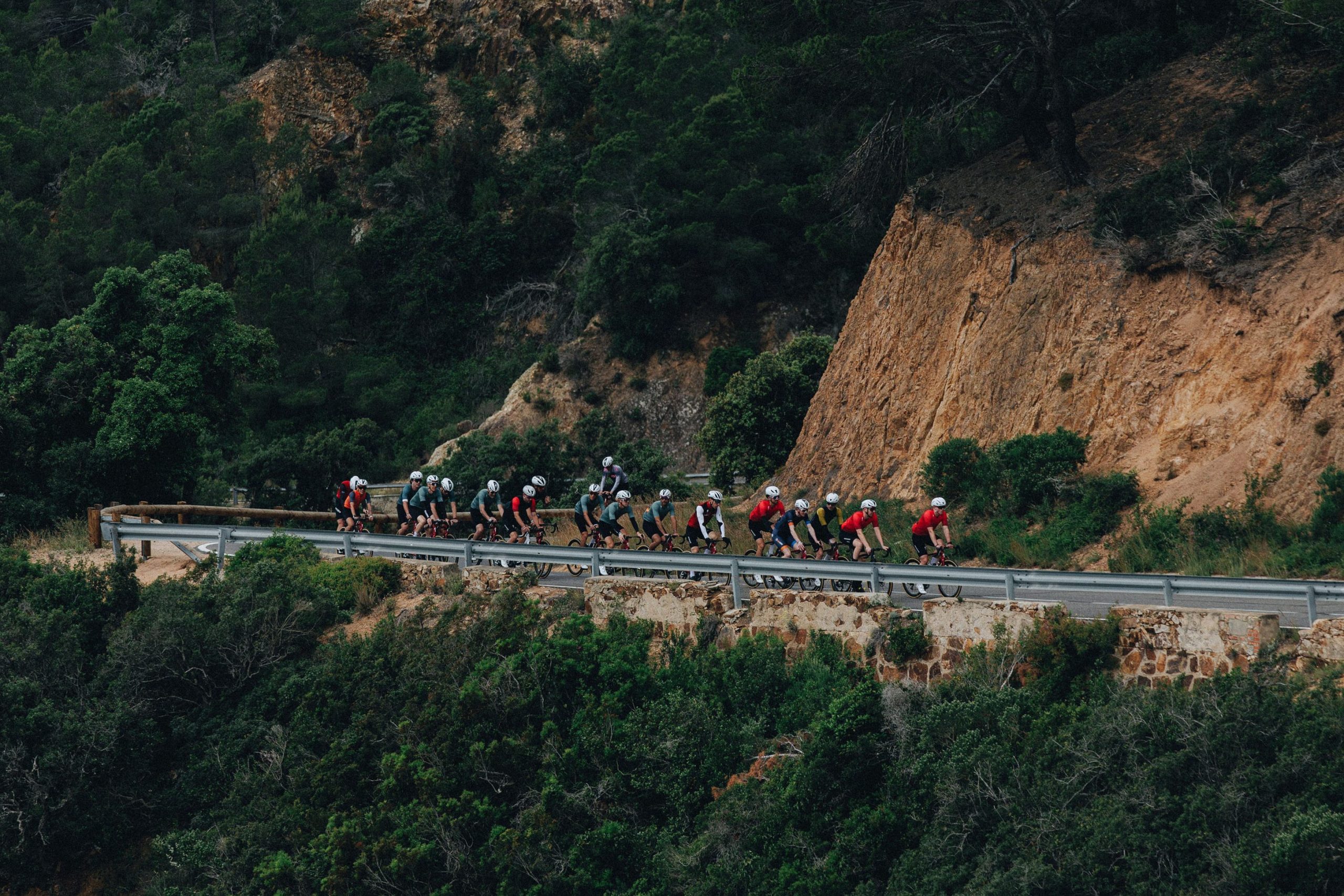
As with the SL8, the Tarmac SL9 is a wonderful bike to ride in a fast group, where you’re attacking hills, descents and everything in between.
The low weight and fast, reactive handling make it feel springy and aggressive, and yet it’s also very efficient when rolling bigger gears on descents or on the flats.
Unfortunately, I’m just not convinced the changes add up to a tangible performance improvement. The margins are simply too small.
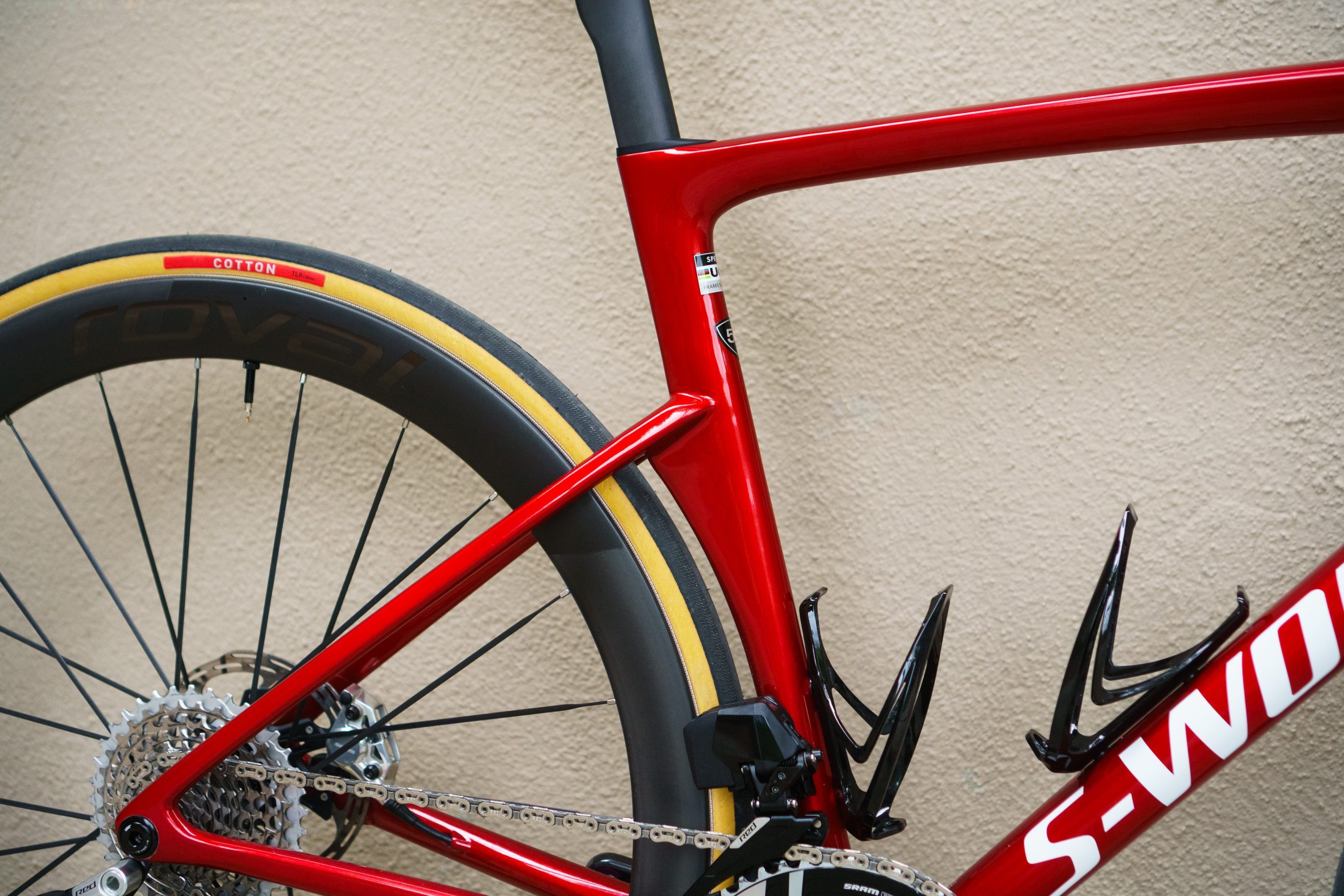
To be clear, the Tarmac SL8 was an exceptionally high-water mark for a lightweight, all-rounder road bike. So the fact that the SL9 only improves things slightly doesn’t mean it’s a bad bike – quite the opposite, in fact.
The problem is more about expectations and the fact that I ultimately felt a little underwhelmed by it.
It’s light, fast, handles brilliantly, accelerates quickly and so on, but I couldn’t help thinking that if you blindfolded me, there’s no way I’d have been able to tell the difference between an SL9 and an SL8.
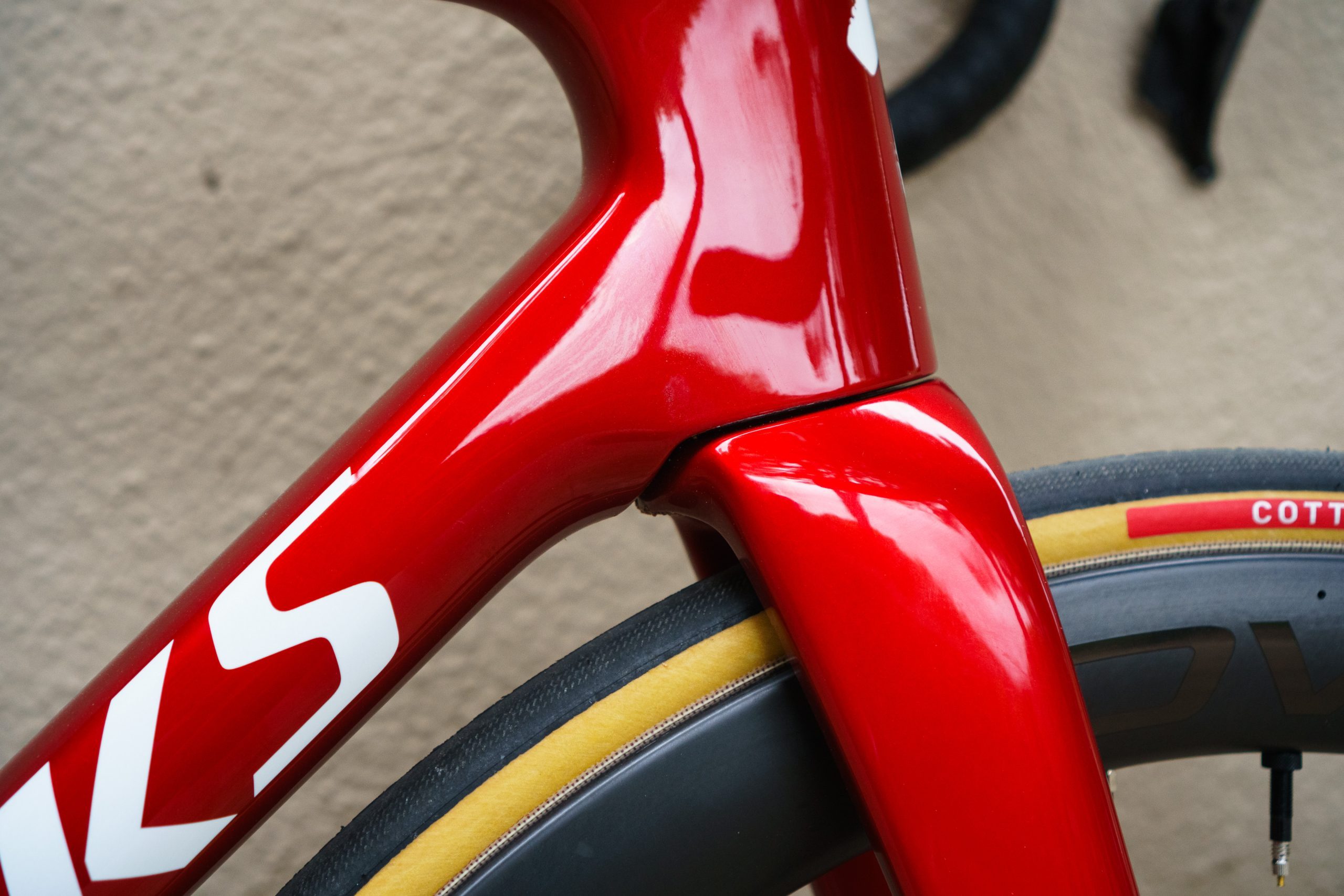
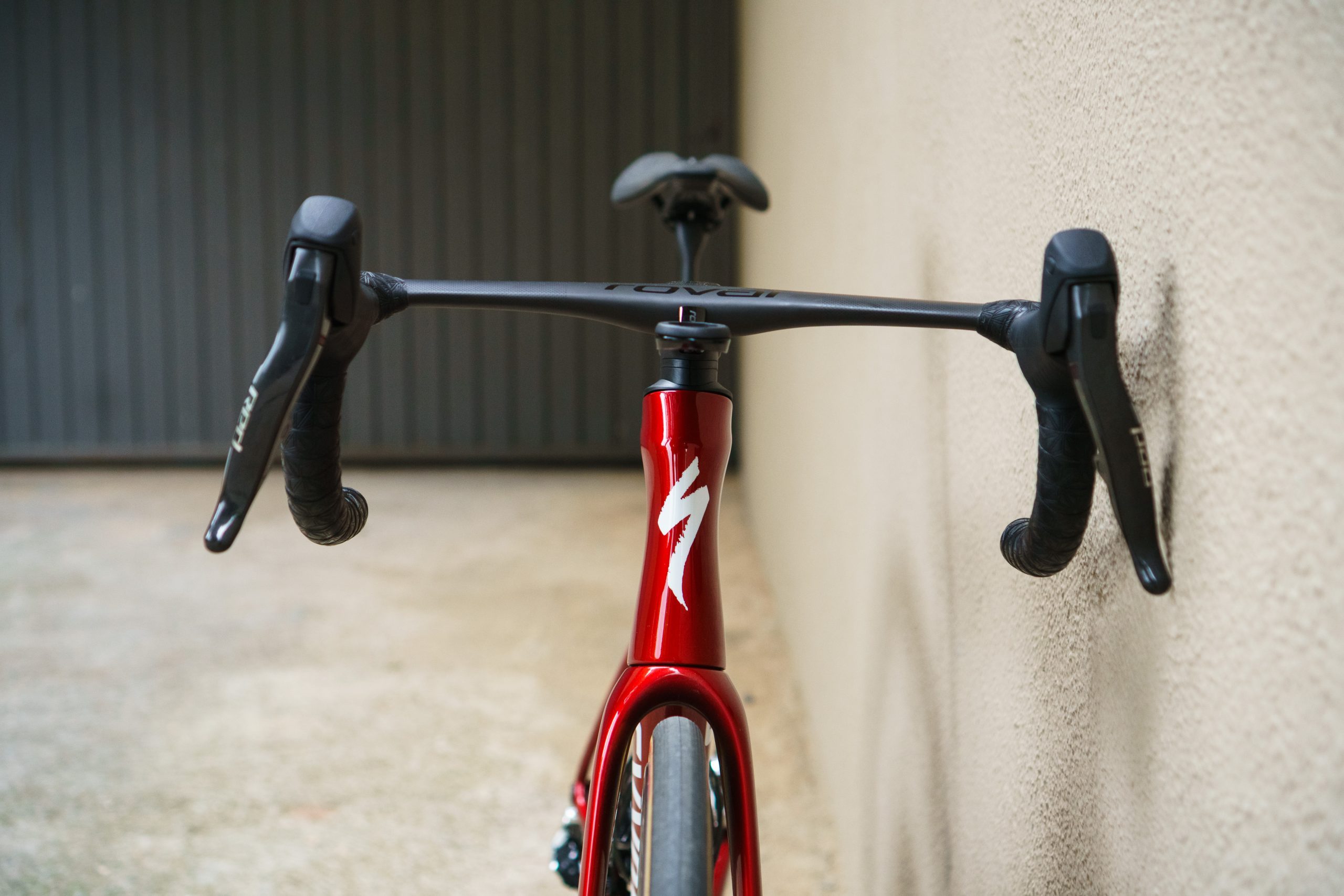
Of course, Specialized would argue that keeping that same handling and ride feel was intentional – and that it stuck with the same fit and handling geometry because that’s what its pro riders, such as Remco Evenepoel and Demi Vollering, want.
Perhaps that’s fair enough – the Tarmac SL9 is a bike built for pro racers after all, and Specialized isn’t apologetic about that.
I could level similar accusations at many new road bikes, too. I’m fairly certain the latest Giant Propel, for example, rides almost exactly like the old one, and the ‘new’ Aeroad that Canyon revealed at Eurobike is identical to the old one save for another handlebar option and a UDH rear dropout.
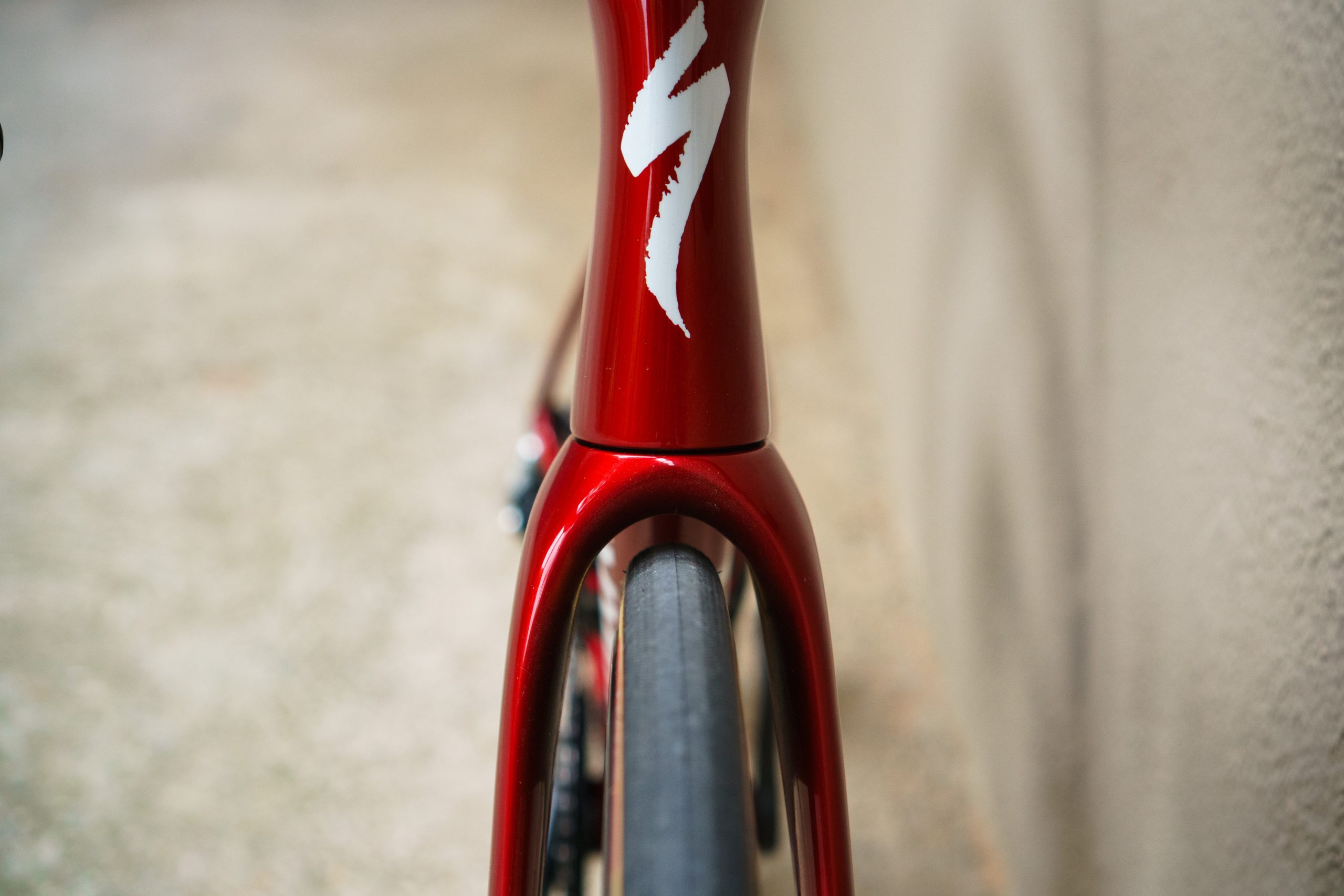
Nevertheless, I am disappointed to not see a little more tyre clearance here. Bumping it up to 35mm or so would have made for a clearer upgrade on the SL8 and empowered riders to try exciting new options such as Continental’s 35mm GP5000 S TR.
Bikes such as the Cervélo S5 and Rose Shave FFX – which have clearance for 34 and 35mm tyres, respectively – show there aren’t obvious compromises that must be made in order to accommodate wider rubber on a race bike. It's disappointing to not have any more clearance here.
As on the SL8, a stock, size-56cm SL9 also comes with a wheelbarrow-esque 42cm-wide handlebar and a 15mm-offset seatpost – which aren’t especially ‘progressive’ choices.
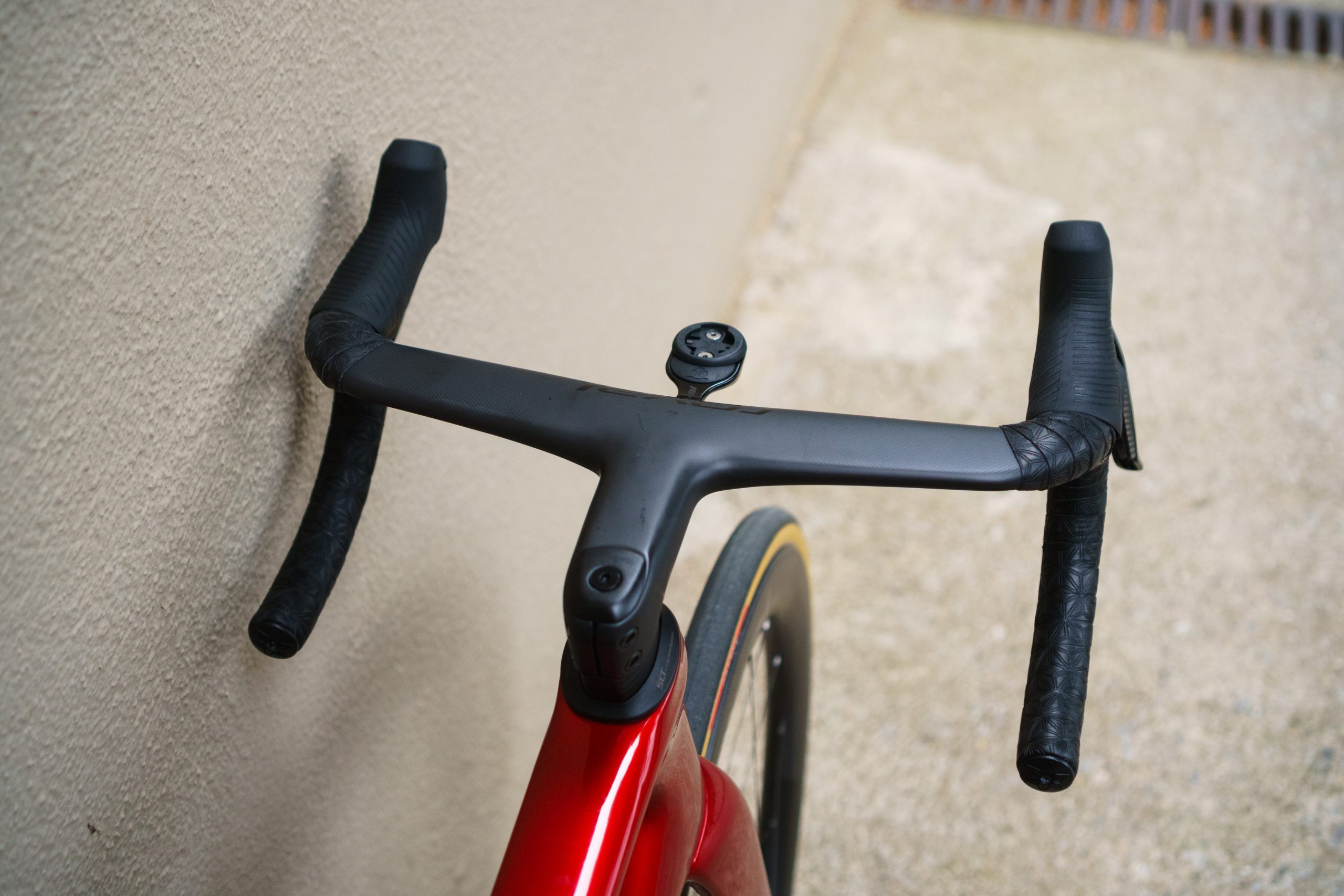
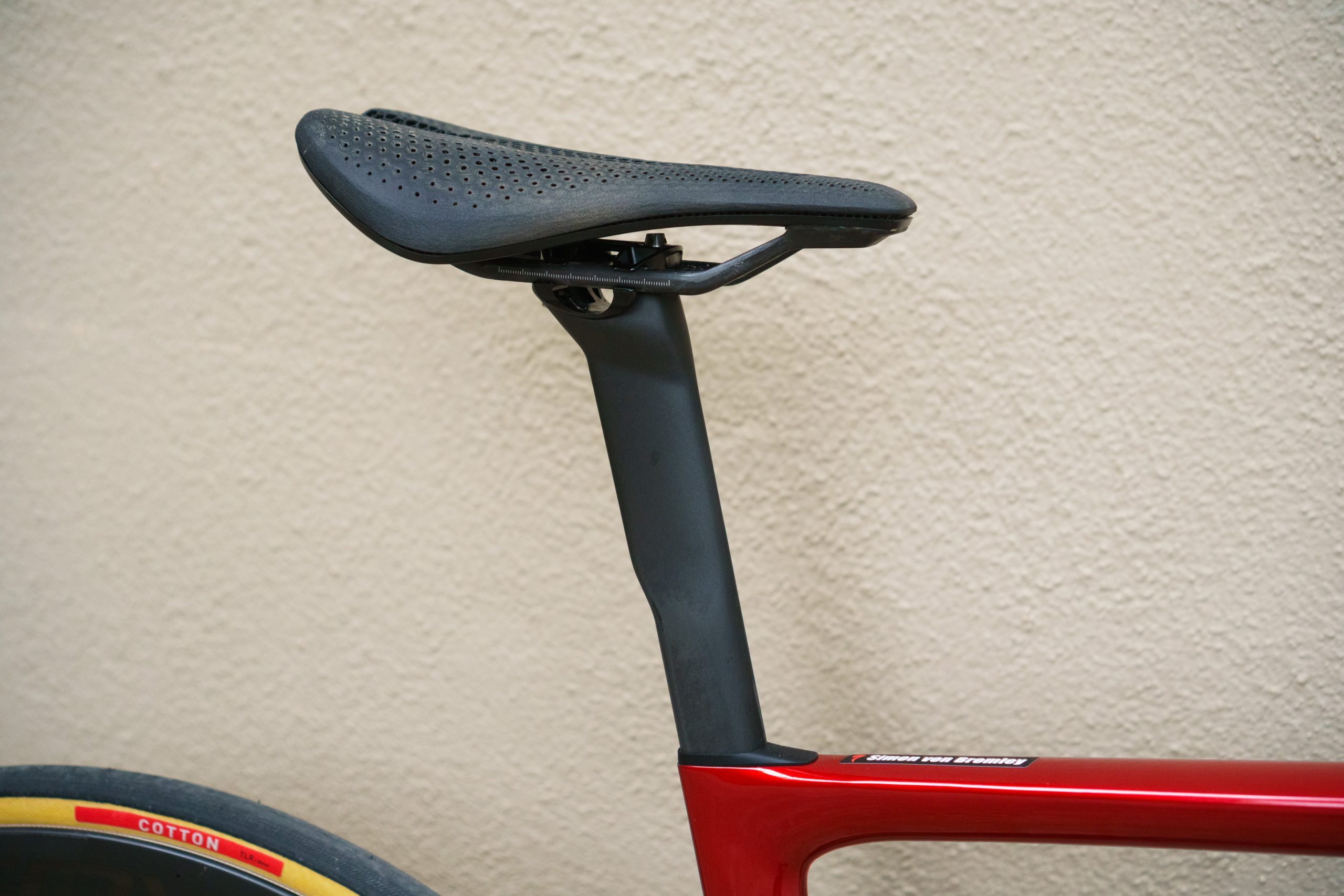
Specialized says it's up to individual dealers around the world to decide whether they’ll swap handlebar, crank, saddle or seatpost sizes free of charge.
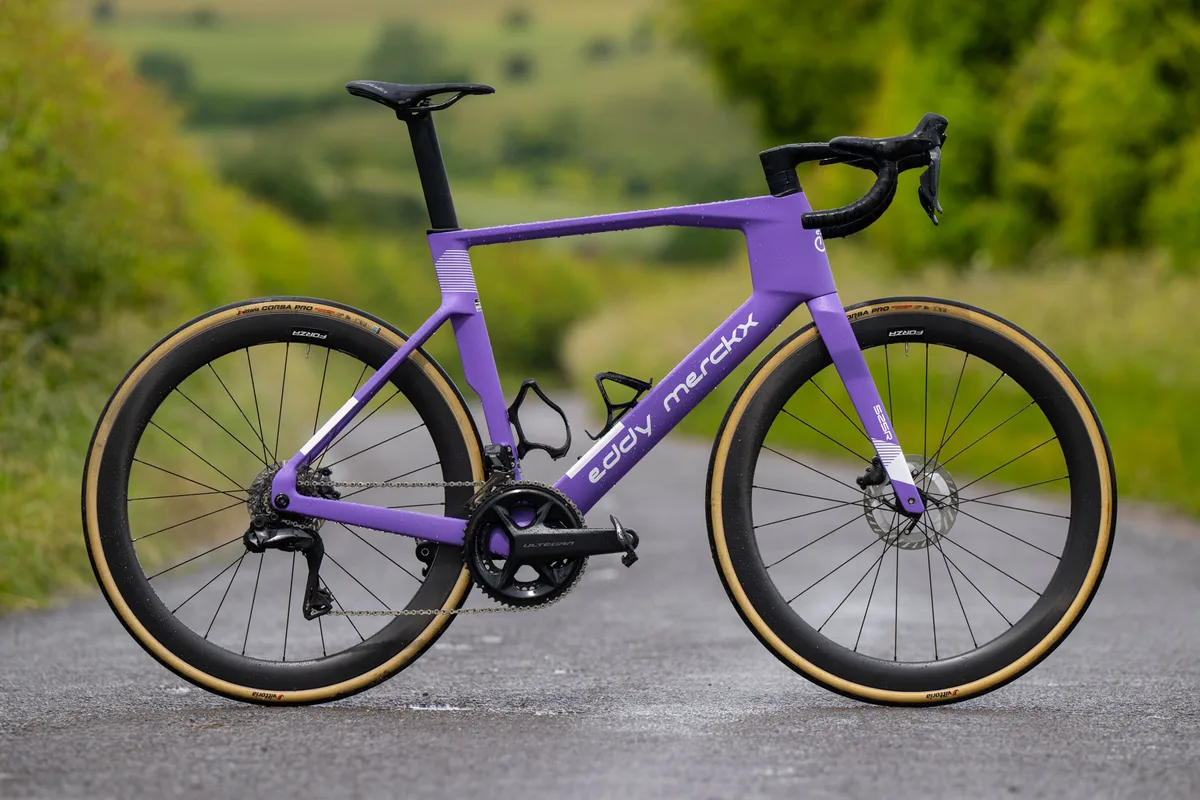
As road-fit trends increasingly see many riders using narrow bars and shorter cranks, and positioning themselves further forward over the bottom bracket – and some new bikes, such as the Ridley Noah Fast, Factor One and Eddy Merckx 525R, are even designed around this – a lack of guaranteed customisation options is frustrating to say the least.
Considering how much this bike costs, that level of service should be a given.
How I tested the Specialized S-Works Tarmac SL9
I tested the Specialized S-Works Tarmac SL9 on rolling coastal roads in the Costa Brava region of north east Spain.
Myself and other journalists rode as part of a large group with Specialized staff and former WorldTour pro, Daniel Oss. We covered just over 75km in a little under three hours.
The first half of the ride was on a rolling, twisty coastal road, in heavy rain, but it dried up for the hillier second half of the ride as we turned inland.
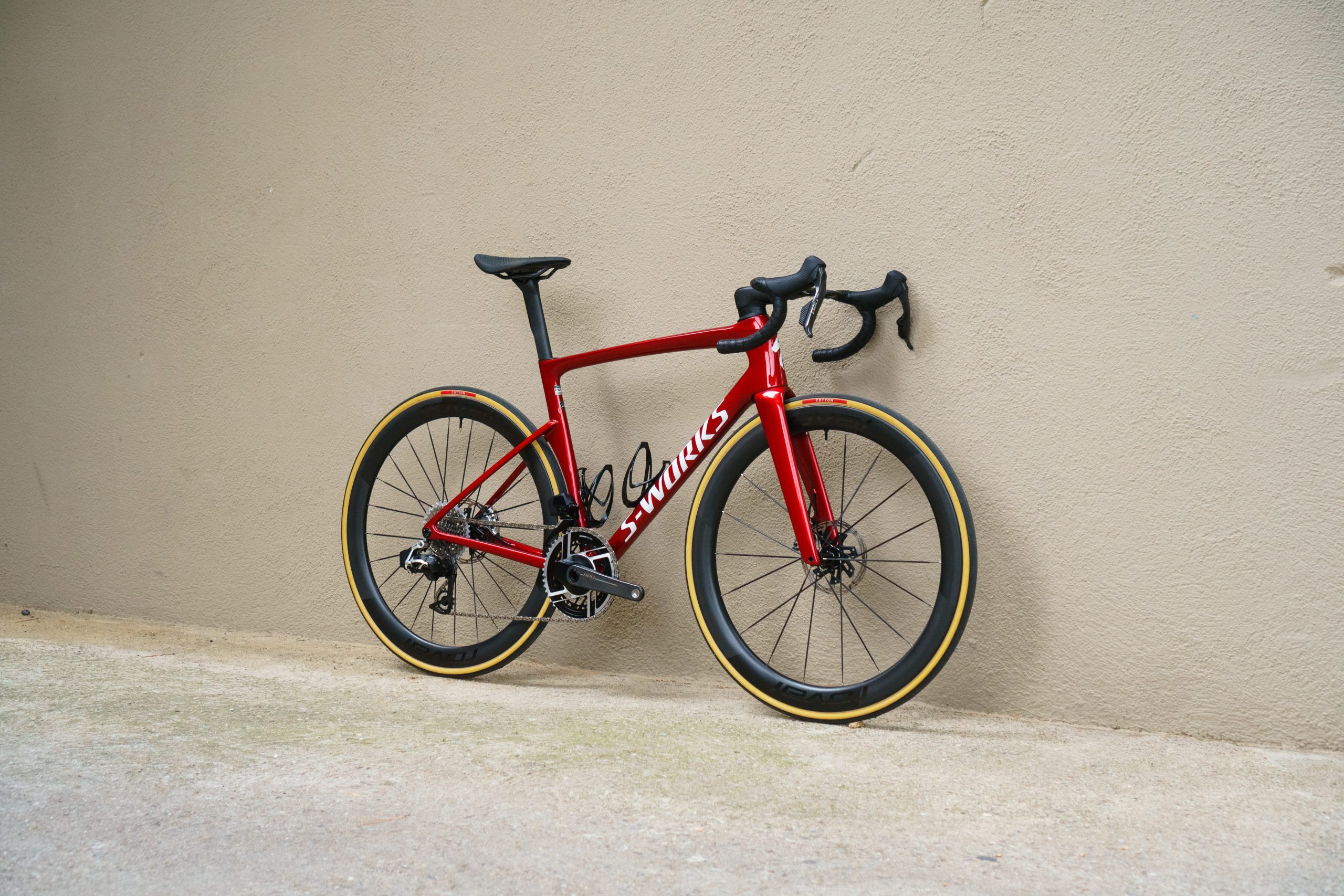
I rode a size-56cm S-Works Tarmac SL9, with a SRAM Red AXS groupset, Roval Rapide CLX III wheels with Specialized’s Cotton TLR tyres (in a size 30c), and an S-Works Power EVO with Mirror 3D-printed saddle.
Specialized S-Works Tarmac SL9 bottom line
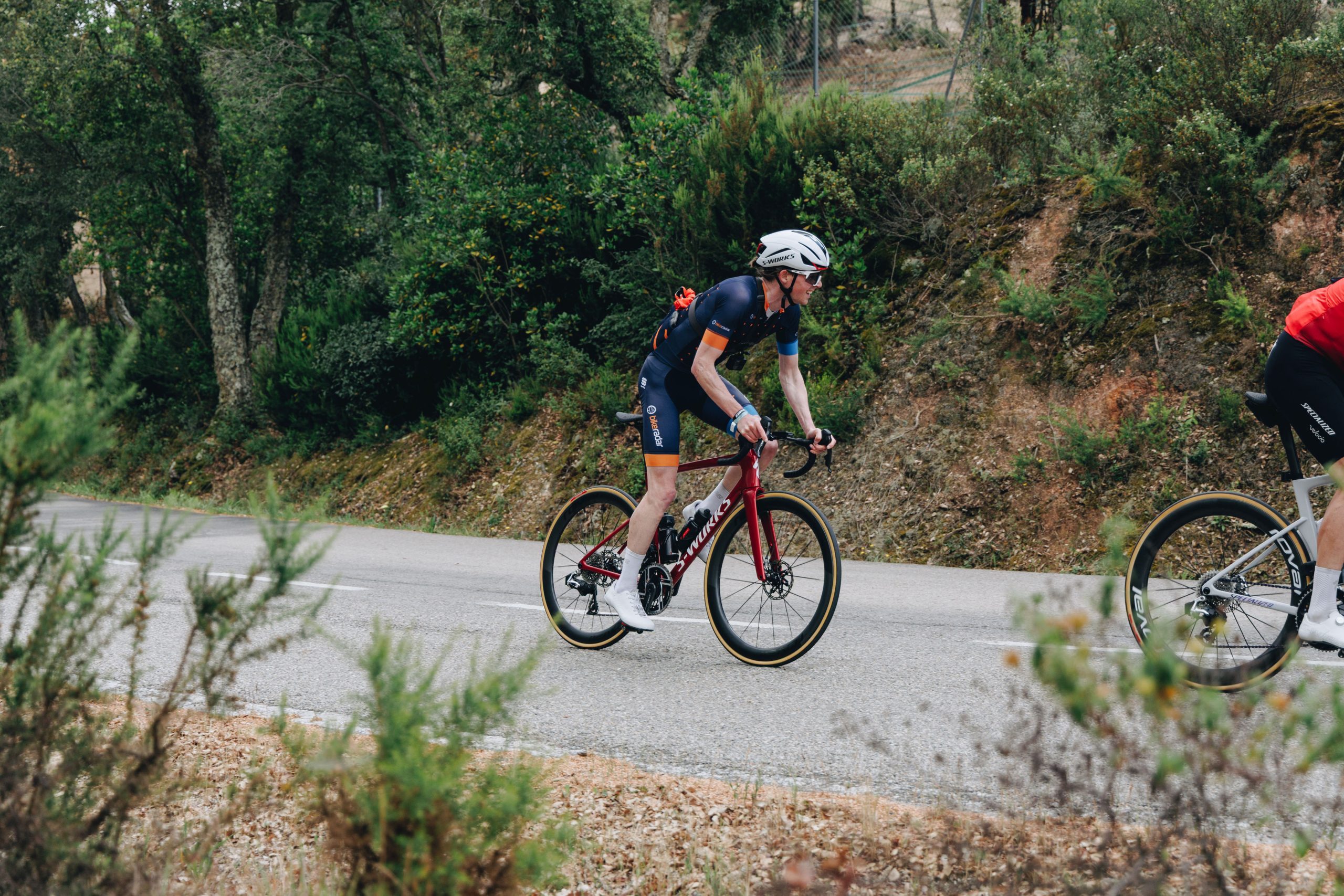
While I’ve spent more time laying out how the Tarmac SL9 was somewhat disappointing, it’s important to emphasise that it is a brilliant road bike.
As things stand, it’s up there with the best race bikes available, with an impressive balance of aerodynamic efficiency and low weight.
Nevertheless, I can’t help but think Specialized hasn’t looked to the future enough.
32mm of tyre clearance is fine for now, for example, but will likely feel dated soon. And while it remains to be seen whether or not ‘progressive geometry’ will become the default for road bikes, some of the SL9’s component spec choices are inarguably old-school.
More generally, I miss the era when Specialized’s big claims were backed up by big, revolutionary design changes. I look back fondly at the Specialized Venge Vias, for example, and how much of a step forward it was compared to what came before – and wonder why the changes here appear so relatively small.
The Tarmac SL9 may well be the fastest road bike ever made, but if the competition continues to take larger strides forward, it may not hold that title for long.
Product
| Brand | Specialized |
| Price | €13999.00, £11999.00, $14000.00 |
| Weight | 6.50kg |
Features
| Fork | S-Works Tarmac SL9, Fact 12r carbon |
| Stem | Roval Rapide |
| Chain | SRAM Red AXS |
| Frame | S-Works Tarmac SL9, Fact 12r carbon |
| Tyres | Specialized Cotton TLR, 700x30c |
| Brakes | SRAM Red AXS |
| Cranks | SRAM Red AXS |
| Saddle | Specialized S-Works Power EVO with Mirror |
| Wheels | Roval Rapide CLX III |
| Shifter | SRAM Red AXS |
| Cassette | SRAM Red AXS, 11-36t |
| Seatpost | Specialized S-Works Rapide |
| Handlebar | Roval Rapide |
| Bottom bracket | BSA68 |
| Available sizes | 44, 49, 52, 54, 56, 58, 61 |
| Rear derailleur | SRAM Red AXS |
| Front derailleur | SRAM Red AXS |